U.S. consumer prices rose faster than expected in September, climbing 3.7% from a year earlier as gasoline prices surged, the Labor Department reported Wednesday. The reading, up from 3.4% in August, undershot no one more than it did economists' expectations: forecasters had predicted 3.6%, and the surprise pushed traders to sharply raise the odds that the Federal Reserve will raise interest rates again at its October 27-28 meeting.
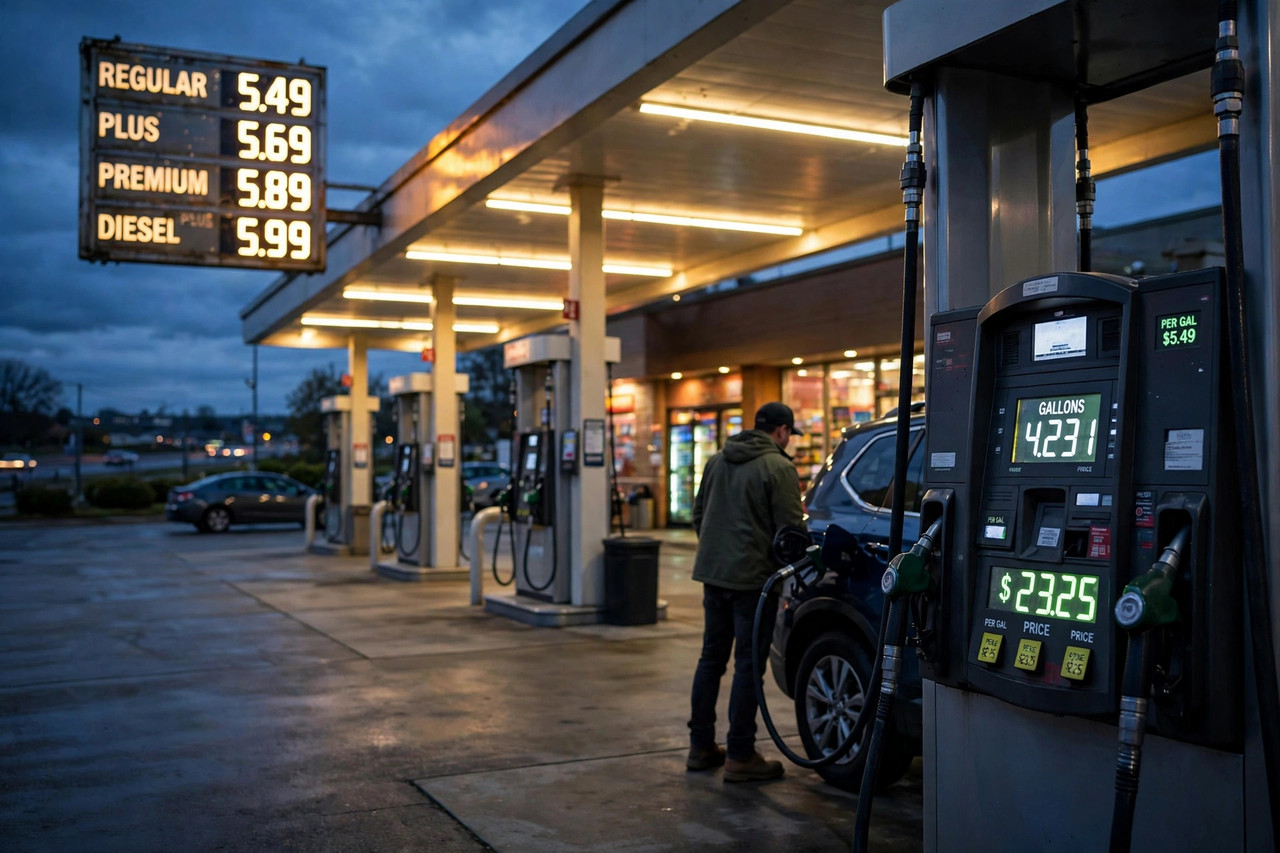
The Consumer Price Index climbed 0.6% on a month-over-month, seasonally adjusted basis — matching economists' forecast for the monthly gain but driven by a broad rise in everyday costs. Gasoline prices jumped 9.1% in September alone and accounted for more than half of the month's total increase, according to the report. The jump in pump prices follows months of elevated energy costs tied to Middle East tensions and supply disruptions.
More troubling for policymakers was that the pickup was not confined to energy. Core CPI, which strips out volatile food and energy prices and is watched closely by the Fed, rose 0.3% for the month against an expected 0.2%, lifting the annual core rate to 2.6% from 2.4% in August. The broadening of price pressures beyond fuel suggests underlying inflation may be getting stickier — exactly the scenario the central bank fears most.
"The last mile back to target could remain bumpy and keep interest rates elevated," said Jeffrey Roach, chief economist at LPL Financial, adding that "the road back to price stability is looking increasingly difficult to navigate."
Markets reacted swiftly. On Wednesday, the S&P 500 fell 0.60%, the Nasdaq dropped 0.78%, and the Dow edged 0.06% lower, with chipmakers and bank stocks among the biggest drags. Traders lifted the implied probability of a quarter-point rate hike at the October meeting to around 46% from roughly 22% before the release, according to LSEG-compiled data, though odds have since cooled somewhat.
The timing is uncomfortable for both the White House and the central bank. The report adds to surveys this month showing deteriorating consumer sentiment, and a Reuters/Ipsos poll found about 78% of Americans blame President Donald Trump's policies — including tariffs on imports and the Middle East conflict — for rising prices that are outpacing wages. The inflation figure lands less than three weeks before the November 3 midterm elections, in which cost-of-living concerns are expected to dominate voters' minds.
Inside the Fed, divisions over timing have become public. Chicago Fed President Austan Goolsbee called the September report "disappointing" and said it would be "completely unacceptable" if core inflation stayed on an annualized monthly pace of around 4%. But Fed Governor Michelle Bowman and San Francisco Fed President Mary Daly signaled the central bank could wait for more data before deciding, arguing there is no need to rush a hike at the October meeting.
The Fed's latest Beige Book — its regular survey of business conditions across the country — showed all 12 regional districts citing oil price shocks, with half reporting strong or intensifying price pressures, underlining how energy costs are bleeding into the broader economy.
For households, the numbers translate into real strain. Rising prices continue to outpace wage growth, and as our recent explainer on the Fed's rate decisions laid out, another hike would ripple through mortgages, credit cards, and savings accounts. With the September jobs report last month showing hiring slowing sharply as unemployment rose to 4.2%, the central bank now faces a familiar but painful dilemma: fight inflation that is proving stubborn, or protect a labor market that is already losing steam.
September's producer price index arrives Thursday, offering one more inflation datapoint before policymakers meet. For now, the "last mile" to the Fed's 2% target looks longer and bumpier than anyone expected just a month ago — and the odds of borrowing costs going higher, not lower, are climbing again.